
Share with:


When it comes to commercial kitchens and refrigeration, keeping equipment running smoothly is crucial for success. Planned Preventative Maintenance (PPM) ensures that refrigeration and catering equipment operates reliably and efficiently, ultimately extending its lifespan.
This article explores the significance of PPM, detailing its benefits, practical guidelines and top tips to help implement an effective PPM strategy.
Post Contents []
- What is Planned Preventative Maintenance (PPM)?
- Why is PPM Important for Commercial Refrigeration & Catering Equipment?
- What are the Guidelines for PPM?
- Regular Inspections
- How Often Should PPM be Conducted?
- Cleaning and Maintenance Tasks
- Replacement of Parts
- Top Tips for Effective PPM
- Working with a Professional Service Provider
What is Planned Preventative Maintenance (PPM)?
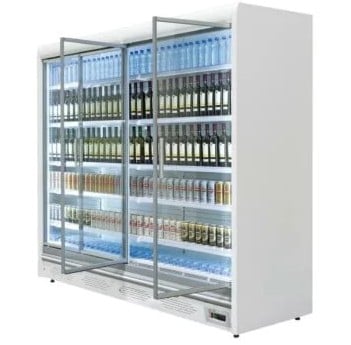
Planned Preventative Maintenance (PPM) is a proactive approach to managing the upkeep of commercial refrigeration such as catering fridges and freezers, fridge displays and display freezers, and prep counters, and catering equipment, ensuring consistent and reliable performance while reducing the risk of unexpected breakdowns. Any business that utilises commercial fridges and freezers or catering equipment, should have a PPM plan in place to make sure that units are performing optimally. This includes restaurants, cafes, shops, supermarkets, hospitals, schools plus many other sectors.
This maintenance strategy involves scheduling regular inspections by qualified engineers, who carry out essential cleaning tasks and servicing procedures that adhere to health and safety regulations, ultimately enhancing the lifespan of the equipment. A well-structured maintenance plan not only optimises equipment efficiency but also minimises costly repairs while safeguarding food safety and service quality in commercial kitchens. Regular PPM can significantly contribute to energy savings and customer satisfaction, aligning with HACCP regulations and promoting kitchen safety.
This service is not to be confused with general cleaning and maintenance that can be carried out by in house staff. While these daily, weekly and monthly routines and cleaning schedules are essential and help with overall PPM, planned preventative maintenance involves more complex checks and cleaning that just isn't possible for untrained personnel. PPM scheduled service agreements are used to outline specific maintenance tasks to be performed. This may involve but is not limited to:
- Cleaning commercial kitchen extraction systems.
- Servicing and cleaning remote refrigeration units including remote cold rooms and freezer rooms and remote multidecks.
- General annual or bi-annually servicing of all other commercial refrigeration and catering equipment, including gas checks, electrical checks, refrigerant checks, thermostat checks, specialist cleaning and standard PAT (Portable Appliance Testing) testing.
Why is PPM Important for Commercial Refrigeration & Catering Equipment?
- Consistent and reliable performance - PPM is crucial in commercial kitchens to optimise equipment.
By putting regular preventive maintenance (PPM) in place, operators can significantly enhance the longevity and efficiency of their refrigeration systems. This proactive approach not only mitigates the risk of unexpected breakdowns but also ensures that all components function at their best, maintaining the ideal temperatures essential for food safety and quality.
- Early detection of issues and extended lifespan of equipment - PPM prevents unexpected breakdowns and costly repairs.
Routine inspections and maintenance tasks carried out daily or weekly by staff are the first defence to pick up on early sign of potential issues. Routine checks carried out by unqualified staff will not be as thorough as those undertaken by professional engineers though. More technical and in-depth PPM checks play a significant role in enabling technicians to spot minor issues before they escalate into major problems. By incorporating condition reports, businesses can develop a clearer understanding of their equipment's health to ensure equipment remains operational and safe, reducing downtime and enhancing productivity. When equipment is running as it should and not overworking, components will last longer.
- Increased efficiency - PPM optimises energy consumption and performance.
When refrigeration systems are well-maintained, they operate at their best, leading to lower energy costs and enhanced performance. This maintenance ensures that the components, such as compressors, coils, and fans, function smoothly, reducing the power needed to maintain desired temperatures. Regular filter and coil cleaning helps maintain optimal airflow, monitoring door seals can drastically reduce energy loss while scheduled refrigerant checks prevent overheating and potential failures.
- Increased safety - PPM delivers in depth cleaning in areas that untrained staff can't and shouldn't reach.
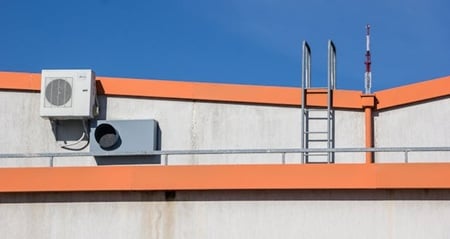
Some commercial equipment requires specialist cleaning and if neglected can result in break down and potential safety issues. Extraction is a major fire hazard in any commercial kitchen with grease, fats and oil building up within ductwork. Planned Preventative Maintenance deals with this issue and guarantees that extraction and ventilation works optimally and remains safe. Cleaning of remote refrigeration units that are typically located on exterior walls of buildings, is another crucial area that is covered under PPM. Untrained staff should not attempt to access these motor units and instead leave it to the professionals to attend to at scheduled times throughout the year.
What are the Guidelines for PPM?
Establishing clear guidelines for Planned Preventative Maintenance (PPM) is essential to ensure that all necessary maintenance procedures are effectively carried out, promoting optimal refrigeration and catering equipment performance.
Regular Inspections
Regular inspections are a cornerstone of any effective Planned Preventative Maintenance programme, ensuring that commercial refrigeration systems are functioning correctly and efficiently. While in house staff should carry out routine cleaning schedules, engaging professional services for more in depth evaluations ensures that potential issues are addressed before they escalate, and also fosters long-term efficiency and reliability. Importantly, this proactive approach can lead to significant cost savings by avoiding costly breakdowns and extending the lifespan of valuable equipment.
How Often Should PPM be Conducted?
Inspections and maintenance should be conducted on a consistent basis, and be tailored to the specific type of equipment in use, the size of the business and intensity of use that units experience.
- Annual assessments should be carried out routinely as minimum.
- Twice yearly checks are advised for many business, especially for regularly used equipment.
- Heavy duty kitchens may require a comprehensive service 3 - 4 times a year.
- Seasonal inspections before peak usage times to prepare for operational demands are key.
Cleaning and Maintenance Tasks
Cleaning and maintenance tasks play a vital role in the effectiveness of Planned Preventative Maintenance, helping to ensure that refrigeration systems operate at peak efficiency. In the context of refrigeration, specific cleaning tasks, such as the regular inspection and cleaning of condenser coils, are crucial for maintaining optimal functionality. Dirty coils can hinder heat exchange and increase energy consumption, leading to higher operational costs. It is essential to implement a structured cleaning schedule that not only addresses these critical components but also complements routine maintenance tasks to maximise performance. Some of the more basic tasks can be monitored and completed by kitchen staff, however this doesn't negate the need for regular professional inspections. Keeping up to date on daily, weekly and monthly commercial refrigeration cleaning tasks and checks by in house staff can give early warning of a potential future problem.
Replacement of Parts
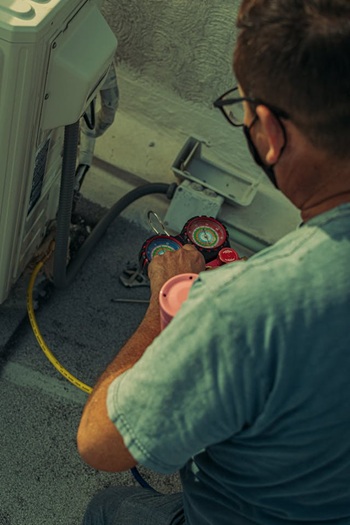
Timely replacement of parts is a crucial part of Planned Preventative Maintenance and ensures optimal performance and reliability of refrigeration and catering equipment. Recognising the signs that point to parts needing to be replaced is essential for preventing costly breakdowns and maintaining efficiency. Common indicators include unusual noises, inefficient cooling, and frequent cycling on and off. These points may be first observed and reported by kitchen staff however trained engineers will be able to investigate more fully. It is crucial to monitor these areas regularly and incorporate checks and observations into daily cleaning and maintenance schedules and routines.
Top Tips for Effective PPM
To ensure the effectiveness of Planned Preventative Maintenance (PPM), businesses should follow key tips to allow smooth and efficient maintenance, ultimately safeguarding equipment and enhancing performance.
Create a Schedule
Creating a detailed maintenance schedule is essential for effective Planned Preventative Maintenance, as it outlines the frequency of inspections, cleaning tasks, and servicing required for optimal equipment efficiency. Adopting a comprehensive approach not only enhances equipment longevity but also minimises the risk of unexpected breakdowns. To achieve this, it is vital to consider several key factors.
- Equipment Usage: Assess how often and under what conditions the equipment is used, allowing for a tailored maintenance plan that accommodates peak operational needs.
- Manufacturer's Recommendations: Always consult the manufacturer's guidelines to ensure compliance with any warranties and to follow the suggested intervals for maintenance tasks, as each model may have unique requirements.
- Operational Inputs: Evaluate the specific tasks that the equipment performs, as certain operations may impose additional stresses, necessitating more frequent upkeep.

By integrating these practices, a business can streamline its maintenance efforts, ensuring that equipment operates efficiently and effectively over its lifespan.
Train Employees
Training employees within the business on basic maintenance procedures, regular inspections and cleaning tasks is crucial for the successful implementation of Planned Preventative Maintenance.
Keep Records
Keeping accurate records of in house cleaning and maintenance is vital for effective Planned Preventative Maintenance. This careful documentation serves not only as a historical reference but also as a critical tool in future maintenance planning. By maintaining detailed maintenance logs, businesses can identify trends in equipment performance and potential failure points. Regular updates to these records help the business and external engineers make informed decisions regarding frequency of PPM and highlight equipment that may need additional servicing.
These logs support compliance with industry regulations, ensuring that all necessary checks are in place and are clearly documented.
Working with a Professional Service Provider
Collaborating with a professional service provider can greatly enhance the effectiveness of Planned Preventative Maintenance by ensuring that expert knowledge and resources are applied to the maintenance of refrigeration and catering equipment. Engaging professionals guarantees adherence to industry standards, which is critical for safety and compliance.


Leave a Comment
Your email address will not be published. Required fields are marked *