

Share with:


Post Contents []
- DIY Commercial Refrigeration Maintenance Checklist
- Commercial Refrigeration Best Practice
- Cleaning & Maintenance To Solve Commercial Refrigeration Odours
- Additional Refrigeration Care Advice From Professionals
- Correct Food Storage
- Only Use as Intended
- Prepare for Busy Periods
- Replace Problem Parts Straight Away
- Use the Owner’s Manual
- Follow Correct Procedures and Educating Staff
- When To Repair or Replace Commercial Refrigeration
- The Importance of Upgrading Commercial Refrigeration At the Right Time
A common mistake that commercial kitchens or shops often make is forgetting about preventative maintenance. Easy to do when everything is working correctly. It is always better to prevent a problem from occurring than to try to solve it once it has.
Commercial refrigeration is crucial for any professional kitchen. When it fails, it causes chaos. Given its expense, prolonging its lifespan and avoiding costly breakdowns is vital.
Even though manufacturing is robust, routine maintenance is essential for excellence. Preventing breakdowns is easier and cheaper than fixing problems after they occur.
A good way to keep on top of your maintenance is having a to-do list. It can be as simple as below:
Job: What needs to be done
Piece of equipment: What equipment requires attention
Who: Who will carry out the task
When: When should the task be completed
Incorrect cleaning and maintenance, or a lack of, can cause many common performance and efficiency issues. By routinely working to a comprehensive checklist and noting any changes in performance you can reduce potential breakdowns without needing an engineer.
Before starting any maintenance work, always unplug your equipment!
DIY Commercial Refrigeration Maintenance Checklist
Many tasks can be carried out in-house by staff, however more technical aspects such as checking refrigerant levels and wiring will require a qualified engineer to attend during PPM (Planned Preventative Maintenance) site visits.
Daily
Temperature Logging:
- Keep a daily log of internal temperatures. This is not only essential for food safety but highlighting minor fluctuations early can also give prior warning of a potential thermostat issue.
- Notice and record any ice or condensation build-up and monitor defrost frequency to identify any changes to normal operation.
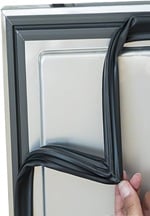
Door Gaskets:
- Check door seals and gaskets daily to ensure an effective air tight seal is achieved.
- Soak weekly in a mild soap and water mixture for 30 minutes.
- Dry thoroughly before replacing; check for damage.
- Ensure a tight seal when doors are closed.
- This is also a good time to inspect door hinges.
Unusual Noises, Vibrations or Increase in Decibels:
- Easy to monitor daily during normal operation. Log any increase in noise as this could be an early indicator of a potential future issue.
Weekly
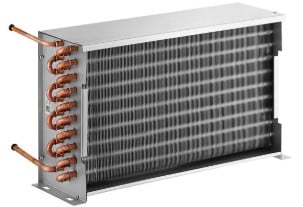
Inspect Condenser Coil:
- Location varies by unit. Refer to the manual or ask a technician.
- Clean weekly, removing dust, lint, dirt, or grease buildup. Check for signs of rust or corrosion.
- Use a specialised condenser coil cleaner brush from top to bottom. Straighten bent fins with a comb.
- If you have access to CO2 or air compressor this can be used to blow free debris.
Fan Blades and Motors:
- Inspect for any signs of wear and tear weekly.
- Clean monthly with a soft cloth.
- Cover the motor with a dry cloth of washing blades to protect it from moisture.
Vents:
- Often covered by a vent that can get blocked. Regularly clean dust, grease, and kitchen debris.

Interior:
- Avoid caustic cleaning chemicals, bleach, or wire wool to prevent damage and lingering odours.
- Use mild soap and warm water. Thoroughly clean weekly or immediately after spills.
- Clean shelves weekly.
Monthly
Clear condensate drain lines:
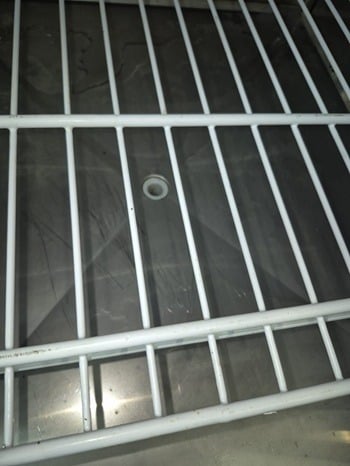 Ensure drain line is clear of obstruction. Water pooling within the cabinet can indicate a blocked drain.
- Make sure hoses are in good condition and correctly connected.
- Check drain pans/trays at the rear of units are horizontal and free from cracks. Damage or misalignment may cause water to pool beneath or around the cabinet.
Check refrigerant level:
- While a qualified engineer will be needed to accurately check and re-gas refrigerant, you can check for refrigerant leaks that will cause future issues and identify problems early.
Commercial Refrigeration Best Practice
Regular cleaning and equipment checks on both glass door display refrigeration and catering refrigeration for storage can significantly increase the expected lifespan of a unit. It's not only about commitment to maintenance though.
In many cases, refrigeration fails due to overheating of the compressor. Other than poor cleaning practices, there are three common factors that can cause overheating:
1) Poor positioning: Make sure units are positioned away from heat sources or, alternatively, have a higher climate class of 4 or above. High ambient temperatures are standard in commercial kitchens, but there are ways to find cool spots for refrigeration, such as away from cooking equipment or in a separate area. In a shop environment try to keep fridges and freezers out of shop windows and direct sunlight. Always bear in mind that when multiple cabinets are placed together they will generate heat and can raise ambient temperatures. In these circumstances, you may want to consider remote split system refrigeration set-ups.
2) Poor ventilation: Fridges and freezers need airflow both externally of the cabinets and internally. Never 'box in' equipment or overload with stock.
3) Over-optimised thermostat: Do not set temperatures too low. Turning the thermostat up a few degrees will keep foodstuffs chilled or frozen but will prevent the compressor from working so hard, increasing the lifespan and profitability of the unit in terms of running costs.
Cleaning & Maintenance To Solve Commercial Refrigeration Odours
Every commercial kitchen owner suffers from fridge odours at some point. This is understandable given the amount of foodstuffs and drinks stored in refrigerators, particularly when spillages occur.
Keeping up with the commercial refrigeration maintenance checklist in the first instance can solve problems like fridge odours. However, if the fridge smells haven’t disappeared after regular maintenance, there are other steps you can take to remove bad fridge odours.
The first place to check in a fridge (not frost-free) is the drain channel at the back; this can also be called a "wet-wall" fridge. The moisture formed by condensation gathers on the back wall or, in older models, on the evaporator plate (also on the back wall of the appliance). This moisture forms tiny droplets of ice as the fridge cools and turns back into a liquid as the fridge enters a defrost cycle; obviously, that water has to go somewhere.
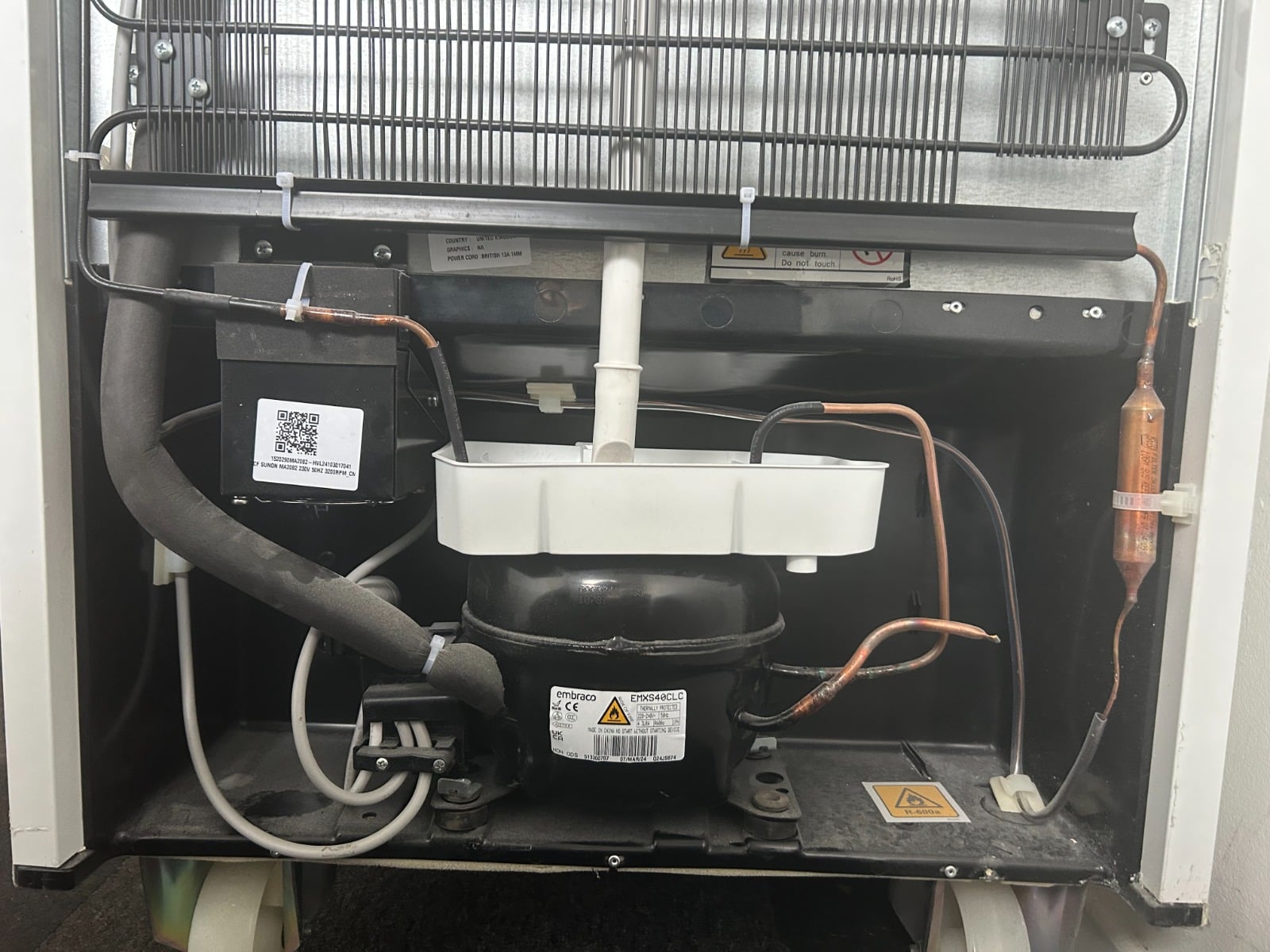 You should also check the tray that collects water on the top of the compressor at the back (motor, usually black). Foodstuffs can work their way down there and create an awful odour. Calcium buildup can also occur, leading to more unpleasant smells in the back of the fridge.
In virtually every appliance of this type, there is a drain hole below the wall or tray into which the water runs. The water then flows through a tube to a tray on top of the compressor.
That drain hole can often get blocked, leading to water in the fridge, another fault caused by poor cleaning. If the drain is blocked or partially blocked with spilt foodstuffs, the food decomposes, creating a terrible smell in the fridge, which can present a potential health risk.
Next, check the door seals. If you gently pull the seal away from the door, you will see a cavity where spilt (particularly liquid) foodstuffs can be trapped. As the foodstuffs decompose, this can lead to a foul fridge smell, which can cause further potential health risks.
Fridges do not use parts or gases that produce smells. However, bad fridge smells usually occur when food or drink is spilt, containers are left open or broken, or produce that is past its use-by date is left behind. For this reason, every shelf, compartment, and standing area should be cleaned regularly.
A Remedy for Refrigerator Odours: Sliced lemon
Eliminating your back of the fridge smells doesn’t need to be complicated or toxic. Cleaning your appliance with lemon-based agents or just pure lemon juice is an excellent cleaning product. Being acidic, lemon juice cuts through most grease, etc., leaving a pleasant odour. If you have a fridge odour problem, leaving half a lemon in the fridge will help remove any lingering smells.
Baking Soda Removes Fridge Odours
Baking soda is also a good way to prevent smells. Either wash your fridge with baking soda and water or place an open box of baking soda near the bottom of the refrigerator, which will ensure an odour-free fridge for some time. Many commercial products work equally well, and many contain baking soda. Fridge odorisers and mats are available from online retailers at a relatively modest cost.

Additional Refrigeration Care Advice From Professionals
Correct Food Storage
Cover all foods stored in the refrigerator adequately, especially highly acidic ingredients. This will prevent cross-contamination, and the high acid levels can also contribute to corrosion inside your unit.
Only Use as Intended
Fridges and freezers, unless specifically designed to do so as with blast chillers and freezers, are not designed to pull down core temperatures of hot/warm product. Instead of the air inside the equipment pulling down the product temperature, the product will cause the internal temperature of the cabinet to rise causing the compressor and condenser to work harder. Similarly, always allow refrigeration to reach optimum operating temperatures before loading stock. This will decrease the load placed on the refrigeration system.
Prepare for Busy Periods
While all cleaning and maintenance procedures and a regular routine is critical, particular attention should be made with regard to maintenance prior to summer, when refrigeration will need to work harder in the warmer ambient conditions, and before the busy Christmas period where optimum performance is critical. Picking up on any potential issues before they happen gives you time to address the problem, guaranteeing smooth operations can continue, and no unexpected breakdowns that could have been avoided, occur at a critical time. Investing in some degree of back up refrigeration, where possible, is always advised so that service can continue as normal, even when issues arise.
Replace Problem Parts Straight Away
No matter how much you pay for your equipment, it will eventually wear out and need replacing, especially after daily use. If a part shows signs of wear and tear, contact your supplier or, depending on your warranty, call an engineer to get replacements before you have a significant issue.

Use the Owner’s Manual
Use the owner's manual. It’s packed with information, but many people discard it like junk mail. In commercial settings, this information is vital. It will set out guidelines to get the best and most efficient results and detail the most effective maintenance actions to enhance longevity. If you happen to misplace your manuals, don’t panic. Most manufacturers will have an easily accessible downloadable version on their website. Alternatively, contact your supplier; they should be able to help.
Follow Correct Procedures and Educating Staff
Depending on the equipment, you may need to use chemicals or care for stainless steel. To prevent unnecessary problems, it is vital to understand the approved methods for each scenario.
While a select few employees may understand the ins and outs of equipment, passing this knowledge on to others who will come into contact with the units is essential. Misuse is one of the leading causes of problems, and unfortunately, these mishaps are generally not covered under warranty. Provide details to all staff on how to appropriately use, clean, and maintain equipment to prevent any unnecessary issues.
When To Repair or Replace Commercial Refrigeration
Problems with performance are a hazard with anything that has a mechanical element to how it operates. Some lower grade units may experience more problems and have a shorter life expectancy than premium models that have more robust components and manufacture. Regardless of the equipment you invest in, without correct cleaning and maintenance, issues are to be expected. But how do you know when commercial refrigeration should be repaired or replaced?
When to Repair
- If your refrigeration typically performs without hitch and is only experiencing minor issues such as small refrigerant leaks, blocked drains, damaged door seals etc. the cost to repair is far less than replacement and will be more cost effective.
- If you're experiencing issues but your unit is relatively new it may still be under warranty. Depending on the level of warranty cover you selected at time of purchase or the cover that came as standard from the manufacturer, the cost of parts, and in some cases engineer labour may be covered. Warranty only covers electromechanical faults and will be void if cleaning and maintenance has been neglected, the equipment isn't being used for the intended purpose or installation has been carried out incorrectly.
- When replacing equipment may not be finanically viable.
When to Replace
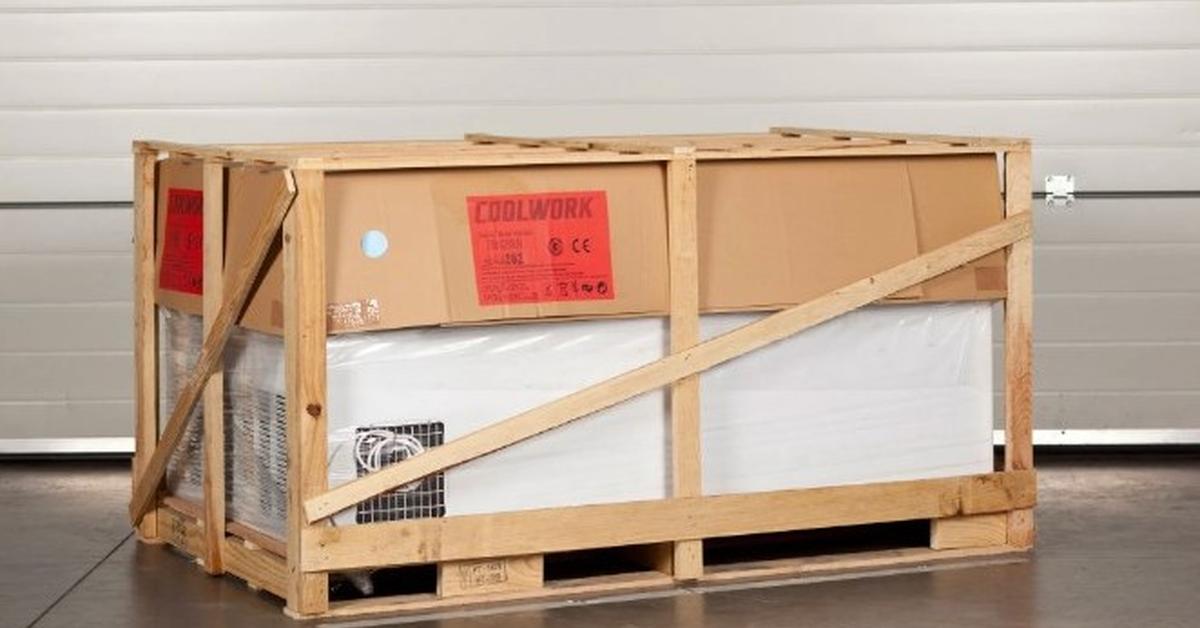 Depending on the quality of brand, what equipment is used for and the level of use, commercial refrigeration can last an average of 10 years - some units less, some more. If your unit is over 10 years old you may want to consider upgrading your commercial refrigeration. Not only will it be nearing the end of its lifecycle but it will be far less efficient than newer models and may therefore be costing you more in energy usage.
- If the repair is estimated to cost more than 50% of the cost of a new commercial fridge or freezer then replacing may be the more sensible option financially.
- When equipment seems to experience problem after problem, it may be time to replace and upgrade your commercial refrigeration if it is not protected within its warranty period.
The Importance of Upgrading Commercial Refrigeration At the Right Time
It is crucial to upgrade your commercial refrigeration at the right time to maintain efficiency. An outdated system will decrease performance, leading to unstable temperatures and increased breakdowns. There are a wide range of energy efficient products on the market with Energy Ratings of A & B from Tefcold.
One of the most common signs that your commercial refrigeration unit is failing is when it can’t maintain a consistently cold internal temperature. A modern appliance will keep its contents at a average consistent temperature of 2.2 - 3.3°C approx. Large or dramatic temperature fluctuations indicate a problem, especially if the fridge struggles to keep food under a safe 4.4°C. The operating temperature and acceptable fluctuations will obviously depend on the contents being stored. Read more about Commercial Refrigeration & Temperature Fluctuations.
Many factors can cause unstable temperatures, like flaws in the sealing system, faulty door gaskets, worn hinges and damaged panelling. These are just some of the factors that can cause cold air to escape causing the compressor to work harder and, in turn, drive up energy costs. Choosing between constant repairs or replacement is never easy, especially when money is tight. However, if the repair estimate is more than half of a new modern unit, the choice is a no-brainer- replace, cut your losses and choose a new modern commercial refrigerator!


Leave a Comment
Your email address will not be published. Required fields are marked *