
Share with:


Differences Between Remote & Integral Refrigeration
There are a vast number of refrigeration types available these days with varying sizes, power types, cooling systems and styles. It is important to realise what you need in order for mistakes to be avoided. Although suppliers will always be able to advise, it is good for you as the customer to know the differences as well.
The vast majority of businesses that require commercial refrigeration opt for integral equipment as it is readily available and is generally more popular, but is it the best option for every business?
Understanding the differences between integral and remote refrigeration is vital to guarantee that you're making the right decision for your business.
What is Integral Refrigeration?
By far the most common form of refrigeration is the integral or self-contained unit. These are effectively "plug and play" machines; the commercial refrigeration is plugged in and is ready to go. Once connected to a power supply and switched on, the job is effectively done and produce can be kept refrigerated.
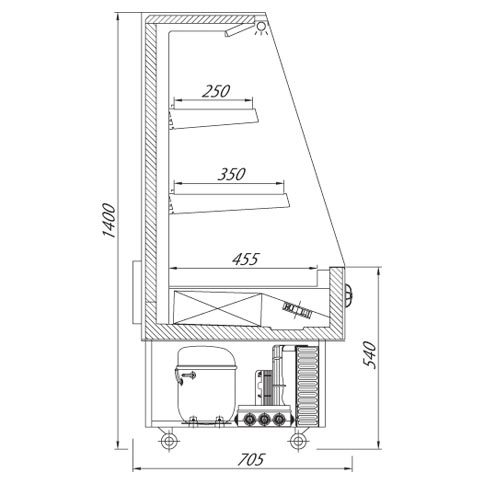
Integral refrigeration has all the machinery and systems including the condenser, compressor and evaporator, required to cool produce within the cabinet shell. Typically this will sit;
- Beneath the display as seen with some
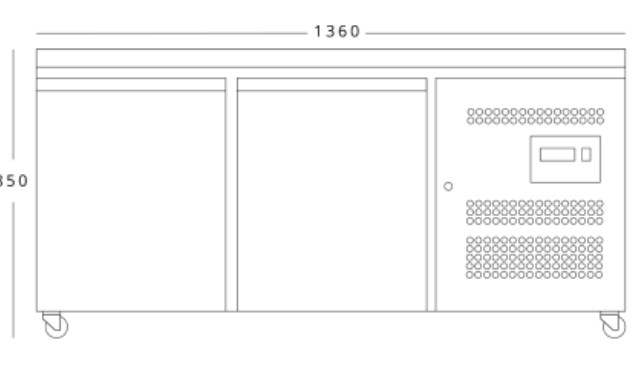
- On the side of cabinets as seen with some prep counter fridges
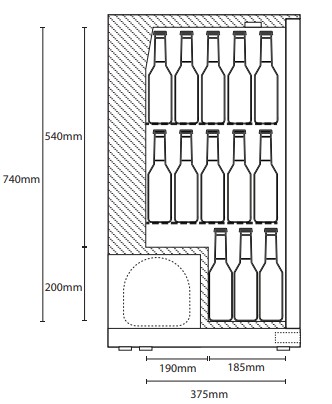
- Built into the bottom of equipment creating a step in the interior display section as with bottle coolers and storage or display fridges and freezers.
- Occassionally, the refrigeration motor may be positioned at the rear of the unit.
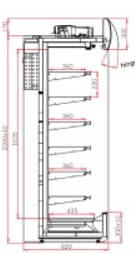
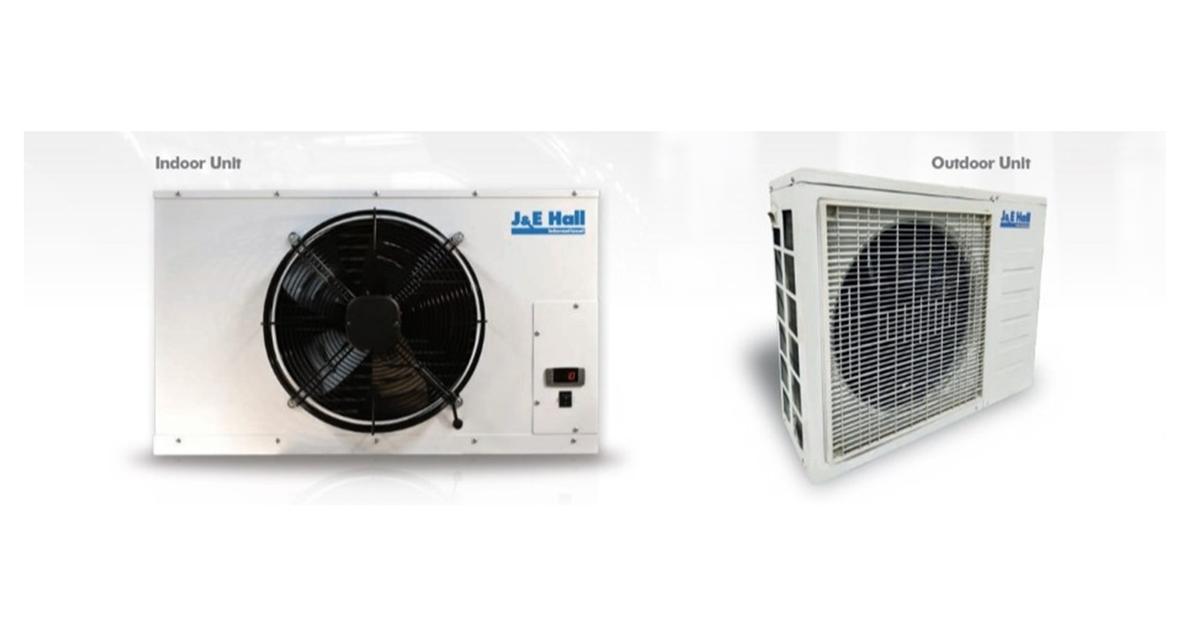
- In the case of integrated cold rooms or freezer rooms, the motor, or monoblock unit is attached the exterior wall of the room.
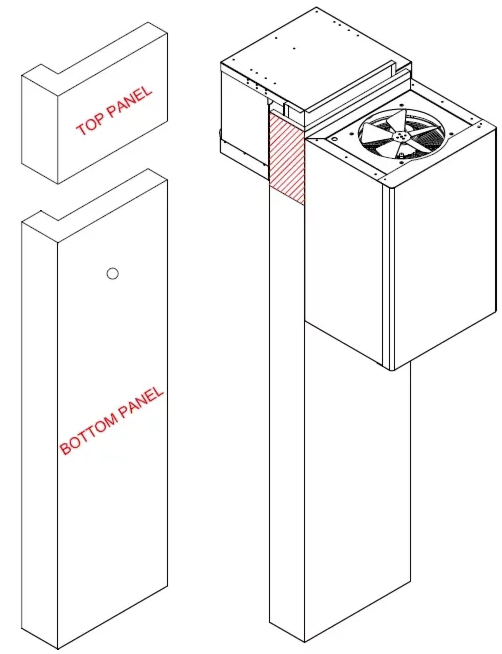
While integral or self contained refrigeration offers the advantage of components being easy to access for maintenance, it also means that the heat generated as the motor works, raises the surrounding temperatures.
There are many other benefits and a couple points to consider when buying integral commercial refrigeration.
Advantages of Integral Refrigeration
- No costly installation
- Quicker delivery to running time
- In the case of multiple units - if one breaks down, the others aren't affected
- Motor section is easier to access for maintenance and repairs
- Flexible placement
Disadvantages of Integral Refrigeration
- Higher long term running costs
- Can increase surrounding temperatures in smaller areas, or where multiple units are in use
- Noisier when in use
What is Remote Refrigeration?
Also available are the remote cabinets commonly sought by larger establishments or those wishing to save in the long term but with a higher initial outlay.
These units are made of two parts; the cabinet or shell in which products are placed genrally in the kitchen or on the shop floor and the refrigeration system including the compressor and condenser, which is placed remotely (as the name suggests) away from the shell and connected via pipework to the cabinet.
Often the condensing unit will be housed on an external wall with pipes running to the inside of the premises.
As refrigeration isn't housed within the unit itself, there's generally more capacity for storage or display.
Remote refrigeration is typically available as remote multidecks, split system cold rooms, remote freezer rooms or cellar cooling.
Separating the motor system also provides other benefits as well as other points that must be taken into account.
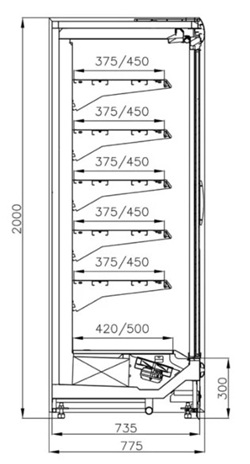
Advantages of Remote Refrigeration
- Lower long term running costs
- Less noise within the working area
- Reduced heat output from equipment for a more comfortable ambient temperature
- Greater capacity generated for storage or display
- Ideal for long runs of equipment or multiplexed units as seen in supermarkets
Disadvantages of Remote Refrigeration
- Higher inital cost for the equipment itself and installation
- Installation must be carried out by a qualified refrigeration engineer
- If multiple units are running from the same compressor and it breaks down then all units will be affected, creating a single point of failure
- Longer delivery to running time
- More difficult to maintain and repair - PPM (planned preventative maintenance) will need to be scheduled with qualified engineers
- Generally the shell/cabinet must be positioned within 10 metres of the location of the motor unit. Any greater distance may require a powerful refrigeration system
Making the Right Commercial Refrigeration Choice
It is important to understand the pros and cons of refrigerations systems and weigh up all options before making a purchasing. Factoring in all advantages and disadvantages can guarantee that you make the best decision based on your individual business requirements and priorities. If you need help or are in doubt, give the team a call and we'll be happy to help.


Leave a Comment
Your email address will not be published. Required fields are marked *