

Share with:


Advancing Commercial Refrigeration
Commercial refrigerators have significantly improved over the past few decades, becoming more functional and efficient. Modern fridges take up less space, store more products, use less energy, and preserve food for longer periods. These advancements increase profits for commercial kitchen owners and allow for the preparation of delicate and expensive cuisines requiring long-term preservation.
Despite these advancements, the development of commercial refrigerators continues, with manufacturers producing better and more efficient models. Here’s what the future of commercial refrigeration could look like:
Thermoelectric Cooling
Also known as solid-state cooling, it uses the Peltier effect, where electric current flows between two different conductors rather than gas or liquid. This technology eliminates the need for moving parts and refrigerants, making it ideal for smaller units like wine coolers and reducing environmental damage.
Use of Plastic Crystals
Plastic Neopentyl Glycol Crystals cool down under pressure, creating the same cooling effect as refrigerants. This cheap and readily available compound could potentially replace HFC fluids used in commercial refrigeration.
Twisting and Untwisting Fibre
Fibre has the ability to undergo temperature changes when subjected to mechanical force such as twisting and untwisting. For example, ordinary rubber will heat up when stretched and cool down when relaxed. Fibres like polyethene fishing line, rubber, and Nickel-titanium can reduce temperatures when twisted and untwisted. This principle can be applied to fridges to make them lighter, smaller, more efficient, and environmentally friendly.

Unit Monitoring Apps
Modern apps allow users to monitor and control refrigeration units through phones or computers, reducing energy consumption and catching faults early. These apps collect data for responsible usage, saving money on energy and maintenance bills.
Potential Implications of Advancements for Modern Commercial Refrigerators
- Smaller and Less Bulky Units: Innovations like solid-state cooling will reduce the need for multiple components such as the compressor, evaporator and condenser, making units more compact.
- Environmentally Friendly: Use of ozone-depleting gasses has been ongoing for decades. While the replacement of HFC refrigerants with HC ones might have helped reduce the damage to the environment, HC gases are not entirely safe either. New and improved cooling systems mean that use of harmful refrigerants can be minimised to lower global warming.
- Faster and More Efficient Cooling: Presently it’s estimated that more than $900 billion of food goes to waste. Reducing cooling time will prevent food waste and save costs.
- More Energy Efficient: In the UK, consumers spent about 14p per kilowatt-hour however due to the energy crisis this has now risen to approx. 24p per kWh. Such energy efficiency will save thousands of pounds in a year. Advancing energy efficiency features complying with energy regulations will save thousands of pounds annually.
Standard commercial refrigeration has come a long way, but future improvements aim to enhance efficiency, reduce environmental impact, and improve overall functionality in the commercial sector.
Refrigeration plays a crucial role in modern life, cooling rooms, storing products, transporting goods, and preserving food. Used in both domestic and commercial areas, refrigeration has become essential.
But where did the refrigeration story start?
The Evolution of Refrigeration
A Look Back at Refrigeration
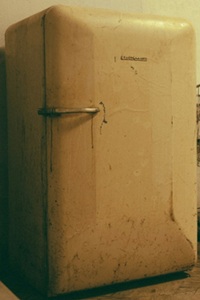
Before man-made cooling devices, people used natural methods to preserve food, such as salting, smoking, pickling, spicing, and drying. In 1755, Scottish professor William Cullen designed the first basic form of refrigeration. Over the next 100 years, various experiments led to the development of the first vapour compression system, which could work in a continuous cycle. The first gas absorption system using ammonia, sulfur dioxide, and methyl chloride followed, opening up new ways to preserve food.
By the late 1920s, synthetic refrigerants composed mainly of CFCs brought refrigeration to a level recognisable today.
Where We Are Now
Refrigeration technology has continued to develop, focusing on new technologies, environmental impact, and better design. This includes easy cleaning condensers in some display refrigeration and storage refrigeration, improved insulation, and energy efficient doors on some open fridges. In 1996, CFCs were banned and replaced with environmentally friendly alternatives. F-Gas regulations were implemented in 2015 to prevent damage to the planet through global warming and greenhouse gas emissions.
Advances have been made in design, manufacture quality, and features like precise temperature control, LED lighting, and improved insulation. Some manufacturers, like Foster, have demonstrated the longevity of their equipment through competitions showcasing older, still operational models.
Looking Forward to the Future
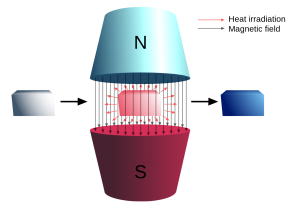
Development and innovation continue with a focus on green operation, gases, and efficiency. A key focus is the magnetocaloric effect (MCE), a magnetic refrigeration method that eliminates the need for harmful gases and offers greater efficiency and environmental benefits. The principle relies on changes in temperatures caused by alterations to magnetic fields. Declarations include the full elimination of CFCs by 2030 and banning HFCs with a Global Warming Potential (GWP) of more than 2500 in all newly manufactured equipment by 2020.
Refrigeration has progressed significantly from its origins to the advanced equipment used today. With ongoing technological and scientific advancements, refrigeration will continue to develop and improve in the future.
How Did We Cope Before Refrigerators?
Before modern refrigeration, people used various methods to keep food cool. Ice was harvested and stored in insulated pits; containers were placed in cool, dark cellars or under lakes and wells, and boiled water was cooled overnight on rooftops. In southern Europe, saltpetre was dissolved in water to create cooling effects.

Households stored easily spoiled foods like milk and butter in cool, dark places. Springhouses built over running streams were early versions of commercial cold rooms. Other food preservation methods included spicing, salting, pickling, drying, and smoking.
The journey of refrigeration technology has led to the modern convenience we rely on today. It's hard to imagine a time when food had to be eaten on a day-by-day basis with little opportunity for saving and storing. What did people do before fridges? The evolution of refrigeration from ice houses to modern fridges has revolutionised our lives.


Leave a Comment
Your email address will not be published. Required fields are marked *