

Share with:


Operating a commercial food establishment comes with significant costs. Beyond purchasing the right equipment, you must ensure it doesn’t deplete your funds through operating expenses. Commercial equipment whether display refrigeration or storage refrigeration works hard year-round, especially during summer. Subjected to constant use, they must work harder than domestic fridges. You may know what to look for when buying energy efficient commercial refrigeration but so you know how to optimise efficiency once your equipment is actually in use?
Given the pressure on refrigeration units and the money spent on energy, it’s crucial to prevent excessive energy consumption. Manufacturers help by improving refrigeration components, materials, control systems, lighting, and insulation. However, users must also do their part to achieve maximum efficiency.
Ensuring Optimum Efficiency with Top 5 Tips to Promote Commercial Refrigeration Efficiency
1. Clean Your Unit Regularly:
- Regular cleaning helps meet health standards and reduce energy use. Clean interior and exterior surfaces, vents, condenser, filter, and seals to prevent the motor from working overtime and extend the unit's lifespan. Regular cleaning is essential for efficiency and hygiene. Clean vents and components to remove dust and debris, to prevent performance issues.
2. Proper Positioning:
- Place the fridge in cool, well-ventilated locations with at least a 5cm air gap around the exterior of the unit. Avoid hot areas to prevent increased energy consumption.
- Ensure easy access to reduce the time the door is open.
- Position the fridge for optimal performance, considering the climate class. Higher climate class fridges are designed for hot kitchen environments.
3. Proper Usage:
- Follow manufacturer guidelines for temperature settings.
- Minimise door opening times by removing multiple items in one door opening rather than regular opening for single items, where possible. Every time doors are opened, warm air is let in and cold air escapes. This means that refrigeration has to work harder to keep temperatures low. With less frequent opening the strain on refrigeration is reduced which can extend lifespan, and less energy is used to keep chilling air after the doors have been opened.
- Only use equipment for its intended purpose. Avoid placing hot foods inside. Commercial refrigeration, unless otherwise specified, is designed to chill or freeze pre-chilled or pre-frozen produce, not pull down temperatures of fresh, newly cooked or room temperature product.
- Set temperatures correctly to balance efficiency and food safety. Teach staff to use the fridge responsibly for maximum efficiency.
4. Maintain Ideal Airflow:
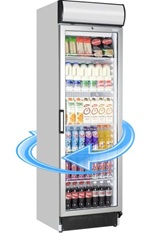
- Ensure proper airflow around and within the unit. Don’t overfill the fridge to allow cold air to circulate and therefore reduce the motor’s workload. Maintain ample airflow externally and internally to reduce energy use. Ensure the fridge has space to "breathe" and is not obstructed by other appliances.
5. Regular Service and Maintenance:
- Equipment should be cleaned and checked regularly by staff. Simple maintenance, like replacing door gaskets, can be done by staff. Replace worn parts to maintain efficiency. Regularly inspect for faults or performance drops to prevent costly breakdowns. Ensure condenser coils are clean and functioning as these draw heat away from the system to help equipment achieve consistent temperatures.
- Schedule professional servicing once or twice a year. Have a technician check refrigerant levels and overall performance during planned servicing and PPM (Planned Preventative Maintenance).
By implementing these practices you can contribute to keeping your commercial refrigeration system running efficiently, ultimately saving you money and prolonging the lifespan of your equipment.
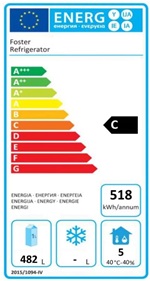
Interested to know how much you can expect to pay for commercial refrigeration operation on a yearly basis? Check out our handy Energy Use Calculator that estimates energy costs for the year based on the kWh/annum, when equipment is running at its most efficient.


Leave a Comment
Your email address will not be published. Required fields are marked *