

Share with:


Food safety is a core element of any foodservice business, and one of the basic areas to understand is the food danger zone. Restaurants follow strict guidelines, yet foodborne illnesses can still occur. Understanding and addressing the dangers can prevent negligence in your kitchen.
The Food Danger Zone
The Food Danger Zone is the term for the temperature range when bacteria is most virulent. The Food Standards Agency states this range as between 8°C/40°F to 63°C/145°F, however some sources stipulate the lower temperature to be 4.4°C. All foods must pass through the food danger zone whether they are to be stored, cooled, thawed or cooked. Within this range, bacteria that are naturally found in all foods, are at the perfect temperatures to multiply. The amount of time that food stays within this zone should be minimised as much as possible. The longer foods remain within this Danger Zone bacteria thrives, making the finished dishes potentially harmful to customers. These harmful bacteria could lead to food poisoning for your guests, the overall outcome being ill customers, a poor reputation and loss of business, as well as violations of health and safety regulations.
There are different methods utilised to safely bring items quickly and effectively through this Danger Zone and which all kitchen staff and chefs must be made aware of.
Thawing in a Professional Kitchen
All frozen produce should always be stored below -18°C/0°F. At this temperature any bacteria is dormant however once the temperature is raised and the thawing process begins this bacteria will activate and could potentially become harmful.
The following practises ensure food safety during the thawing process and reduce the length of time that food is kept in the Danger Zone.
- Refrigeration: Keep the temperature at 4°C - 5°C (40 - 41°F) or cooler. Place thawing items away from chilled stock to avoid contamination.
- Microwaving: Remove plastic or metal wrapping and use the defrost setting. Cook immediately after thawing to avoid the growth of any activated bacteria present on the food.
- Cold Water: Seal food in a watertight bag and submerge in cold water, changing the water every thirty minutes. Cook immediately after thawing.
Always Avoid:
- Food should never be thawed using warm or hot water. The temperature changes will be uneven and bacteria growth may be an unwanted result of this.
- Food should never be left to sit at room temperature. Once the food items have thawed they will be firmly in the Danger Zone when left to stand and should not be used.
Best Practise for Cooking Foods
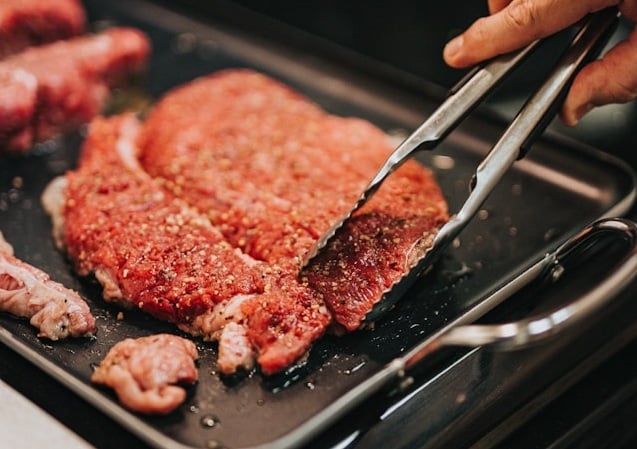
When cooking foods the temperature should always be checked regularly with food thermometers.
- Aim to take readings from the centre of the thickest part of the food to obtain an accurate temperature.
- All foods should be cooked to a temperature of at least 75°C/160°F or 70°C for 2 minutes. This guarantees that any bacteria that may have been present is killed before the dish is presented to the customer and consumed.
- Meats are notoriously the worst offenders for harbouring and cultivating harmful bacteria so special care should be taken when meat is involved.
Best Practise for Reheating Foods
If an item has been previously cooked and then chilled, reheating may be required. There are critical procedures and aspects that must be considered and assessed to eliminate the growth of any bacteria and ensure the safety of the food for your customers.
- Always use the correct equipment when reheating dishes. Acceptable equipment includes commercial grade microwave ovens, commercial grade conventional ovens or commercial ranges.
- All foods, no matter the item, should be temperature tested with an accurate thermometer to ensure that the food is safe for consumption. The recommended temperature should be at least 75°C/165°F.
- If you are reheating liquids you should always bring them to the boil before serving to ensure that bacteria have been killed. Simply warming the liquid through will not eradicate any active bacteria.
Best Practise for Chilling Cooked Foods
Sometimes commercial kitchens may purposely cook too much of certain ingredients to reduce the preparation time in the future. The safest way to chill or freeze any food for storage is to use quality blast chilling equipment, namely blast chillers or blast freezers. These pieces of equipment are specially designed to bring the temperature of cooked items down quickly through the Danger Zone to a safe temperature of below 3°C/38°F in accordance with food safety guidelines. Read more about the Story Behind Blast Chilling.
Once the foods have been safely chilled, strict storage guidelines should be followed. Each item should be individually placed in airtight storage containers, labelled appropriately with the date of storage and a use by date and placed in a storage area that is maintained at an appropriate temperature.
Top Tip: Monitor any core food temperatures closely. Discard any food that stays in the Danger Zone for more than two hours.
General Tip: One of the most recognisable consequences of incorrect chilling, thawing or cooking is food poisoning, however other poor practises can also cause adverse results. This includes incorrect handling of food, leading to cross contamination and poor staff hygiene which can potentially lead to norovirus cases.
Food safety is crucial, especially for businesses serving the public. Proper training and adherence to procedures ensure your food is safe, high-quality, and maintains your reputation.


Leave a Comment
Your email address will not be published. Required fields are marked *