
Share with:


Commercial ice machines are one of the most essential pieces of equipment in all foodservice businesses. But choosing the right ice machine for your business can be tricky.
The first thing to consider is what you need the ice for. Do you need higher-quality ice for your cocktails? Or are you just looking to keep chilled displays cool? Either way, you need to choose the right type of ice for the job.
There’s a commonly held misconception that all ice is the same. But that certainly isn’t the case. Ice comes in a range of shapes, sizes and varieties, each with their specific applications.
Knowing the purpose of each type of ice can help you choose the right ice machine for your business. To help, we’ve made a list of the most commonly used types of ice and what they’re best for.
*Ice to water ratio represents the amount of ice when in solid form compared with the amount of water it becomes after melting.
Cube Ice (half and full cube)
Also Known As: Diced Ice
Characteristics: This is the most versatile and commonly used type of ice. It’s normally used in drinks because it takes much longer to melt in the glass compared to flaked or bullet ice—thus keeping a drink cooler for longer without watering it down. Cubed ice can vary in size but it’s suitable for most drinks in bars, catering businesses and quick-service restaurants. They can also be made very quickly and relatively cheaply, making it ideal for businesses needing high volumes of ice. XXL cubes can also be produced by specialist machines for a slower melting rate if required.
Melt Rate: Slow
Ice-To-Water Ratio: 100%
Best for:
- Soft and mixed drinks
- Ice dispensing machines
- Quick service
- Maximum cooling

Flaked Ice
Also Known As: Shaved Ice
Characteristics: Flaked ice is made up of small, hard bits of ice, ideal for preserving delicate perishables such as seafood. It can keep fresh produce hydrated for longer periods of time than other types of ice—making it perfect for frozen retail displays and buffets. The large surface area allows the ice to be easily moulded, packed, and shaped around whatever it is that you’re trying to cool down. It can also be used to make blended cocktails and smoothies because it puts less wear and tear on blender blades. However, it has a low ice-to-water ratio and melts fairly quickly.
Melt Rate: Fast
Ice-To-Water Ratio: Approximately 73%
Best for:
- Produce, seafood, and meat displays
- Transportation and storage
- Salad bars
- Cold packs in medical settings

Nugget Ice
Also Known As: Cubelet Ice, Pebble Ice or Soft Ice
Characteristics: Nugget ice is soft enough to be easy to chew while also being dry enough to be dispensed. It’s made from random cylindrical sized pieces of compacted flaked ice, allowing it to have a slightly slower melt rate.
Melt Rate: Moderate
Ice-To-Water Ratio: Approximately 90%
Best for:
- Carbonated beverages
- Blended cocktails and drinks
- Hydration and cold packs in medical settings
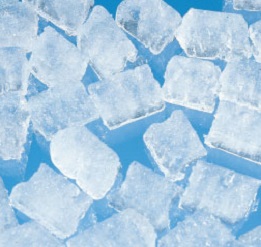
Crescent Ice
Also Known As: Half Moon Ice
Characteristics: Due to its distinctive half-moon shape, crescent ice can move more freely around a glass or cup without packing together. It’s better able to fill the glass or cup because it’s uniform with its curved sides, creating exceptional liquid displacement.
Melt Rate: Slow
Ice-To-Water Ratio: 100%
Best for:
- Soft and mixed drinks
- Ice dispensing machines
- Bagging
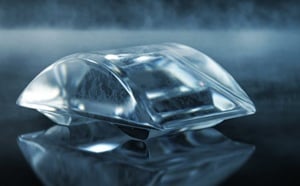
Sphere Ice
Also Known As: Hoshizaki Ball Ice
Characteristics: Spherical ice is an increasingly popular alternative to the standard cubed ice. But it’s not just used to impress customers. A sphere exposes far less surface area for the same amount of volume as a cube—around 24% less. Therefore, it melts much more slowly, allowing drinks to be chilled without being diluted.
Melt Rate: Very Slow
Ice-To-Water Ratio: 100%
Best for:
- Specialist cocktails
- Spirits

Bullet Ice
Also Known As: N/A
Characteristics: As the name implies, bullet ice is shaped like a bullet. It’s cylindrical with a rounded tip on one end and often has a hollow centre therefore a lower density. It’s common in self-service machines because it’s quicker to produce than cubed ice. However, it also melts much more quickly. It’s ideal for establishments where ice is essential, but the quality of the ice is not necessarily important.
Melt Rate: Fast
Ice-To-Water Ratio: Approximately 90%
Best for:
- Ice dispensing machines
- Quick service
- Carbonated drinks
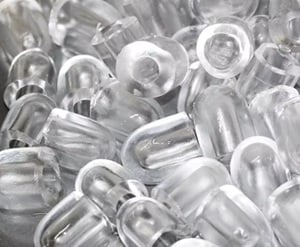
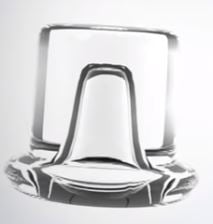
Gourmet Ice
Also Known As: Top Hat Ice
Characteristics: Gourmet ice has a unique octagonal or cylindrical shape with a prominent brim. This crystal-clear ice has a particular aesthetic appeal making it an attractive option for special occasions. It will also not dilute the flavour of the drink due to its slow melt rate. However, it can take considerably longer to make.
Melt Rate: Slow
Ice-To-Water Ratio: 100%
Best for:
- Cocktails
- Upscale restaurants and bars
- Weddings and special events
Crushed Ice
Also Known As: N/A but similar to flaked ice
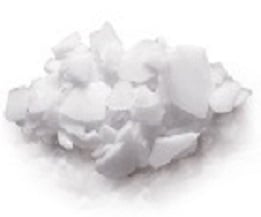
Characteristics: Unlike other types of ice, crushed ice isn’t produced from scratch. Instead, this texture is achieved by crushing standard cubed ice in a typically counter-top ice crusher. Crushed ice is a cost-effective alternative to flaked and scale ice. However, it doesn’t perform as well.
Melt Rate: High
Ice-To-Water Ratio: Approximately 70-90%
Best for:
- Produce, seafood, and meat displays
- Salad bars
- Blended cocktails and drinks

Scale Ice
Also Known As: N/A
Characteristics: This type of ice is extremely hard and cold industrial flaked ice. It typically ranges from 1mm to 3mm in thickness and is preferred for the most rugged applications. Its dry texture and cold temperature—often as low as -12 °C—make it ideal for packing and transporting fresh food.
Melt Rate: Slow
Ice-To-Water Ratio: Approximately 98%
Best for:
- Produce, seafood, and meat displays
- Transportation and storage
Hoshizaki, a leading ice machine specialist also manufacture machines that can produce special shaped ice inlcuding hearts and stars for businesses that want something individual to set their drinks menu apart.
Ice - A Valuable Commodity
It's just frozen water—not expensive, nothing special—which often means people overlook its importance until they need to chill their drink or enjoy a frappe. Standard ice is expected in the majority of drinks served in any business and there are plenty of shapes that can do the job to differing degrees, but for fine spirit connaisseurs or specialist drinks service choosing the right type of ice can make or break the experience.
Ice has value in more areas than behind the bar as expected. Ice is used far more in the daily running of a food service business than you initially think. If you own a business, it's crucial to provide the best products to your customers, and to some hospitality businesses, this means having a constant supply of fresh ice.
Restaurants, fishmongers, and bars all need a constant supply of ice to provide the best services to their clients. That is why investing in a commercial ice machine is vital to guarantee that one of your most valuable commodities is always on hand. The type of your business, how you use the ice and how much ice you need are three key areas you need to consider when you plan to invest in an ice machine and the type of ice you need.
Ice for Bars & Restaurants
Ice is essential for cooling drinks. The quality of the ice a business needs will depend on the type of drinks it serves. Quick service restaurants that pack out cups with ice typically won't use the same type or quality of ice that a sophisticated bar that serves premium spirits will. Ice clarity and the rate of production are commonly defining features. QSR's and pubs will need large quantities of ice continuously making standard cubes the go to ice type, while specialist bars that serve high quality, expensive spirits will opt for pure ice with crystal clarity and often in over-sized ice cubes or spheres.
For pubs and bars looking to capitalise on the value of their ice flavoured ice cubes are a great idea. Flavoured ice cubes are easy to make and add depth of flavour and aroma to drinks. One freeze can introduce hints of mint, lemon, or lime, while multiple freezes of frozen water can create a layered effect, releasing different flavours throughout the drink.
Ice for Foodservice & Healthcare
Ice is essential in restaurants for chilling drinks, storing perishable foods in fish fridges, and specific cooking techniques such as blanching. In retail settings such as supermarkets and fishmongers, the right type of ice is critical for chilling food displays for meat and fish and other fresh foods, as well as enhancing presentation.
Sme specific forms of ice are also frequently used in hospitals and healthcare facilities. Whether for hydration, pain alleviation or cold compresses, the right type of ice can prove vital for many uses.
Whatever type of ice you need and for whatever application, we can provide a commercial ice machine to get the job done. Read our in-depth ice machine buying guide or take a look at our quick reference infographic showing the 3 basic steps to choosing a commercial ice machine and make sure you make the right choice for your business.


Leave a Comment
Your email address will not be published. Required fields are marked *