

Share with:


Post Contents []
- How Commercial Refrigeration Is Helping to Create a Healthier Planet
- What's Changed in Commercial Refrigeration?
- Minimum Energy Performance Standards (MEPS)
- Introducing New Technology
- Impact on Price
- Foster Refrigerators – Leaders In Green
- Consumer Choices Make A Difference
- Why it Makes Sense for Every Commercial Kitchen to Go Green
The world's focus is concentrated on the environment and the impact of our daily actions. The destruction of the ozone layer has morphed into concern over plastic waste and global warming. Climate specialists warn that time is limited to avoid the consequences of global warming, stressing the need for countries to reduce emissions independently.
How Commercial Refrigeration Is Helping to Create a Healthier Planet
The Future is Green
Customers, businesses, and manufacturers are looking to a greener future. Manufacturers are more transparent about technologies and production processes, offering advice on equipment use and staff training for optimum efficiency. The manufacturer's open stance is rooted in responsibility towards the environment and ensuring that customers get the most from their investments.
Refrigeration units impact the environment in two main ways: resource waste and refrigerants.
Resource Wastage
From the hard materials (metals, plastic, glass) to the energy expended in production, transportation, and disposal, refrigeration units have significant environmental costs. The energy used to power these appliances and the additional energy needed for disposal further compound the issue.
Refrigerants
Refrigerants are liquids with low boiling points that turn into gases at low temperatures, keeping fridges cool. Natural refrigerants like CO2 and ammonia have environmental costs, but synthetic refrigerants can be far more harmful. R22, now phased out, had a GWP of 1,810. Alternatives like R404A are still harmful if they escape.

What's Changed in Commercial Refrigeration?
- Focus on Gases: In 2015, F Gas regulations aimed to reduce emissions of harmful refrigerants. Manufacturers are switching from CFCs, HCFCs, and HFCs to natural refrigerants like Hydrocarbons (HC’s) R600a and R290. Read more here about F-Gas Regulations.
- Manufacturing Processes: Emphasis on using responsibly sourced and easily recyclable materials. 'Green' processes are employed from raw materials to production and recycling.
- Green Features: Advancements in compressors, LED lighting in display chillers, self-closing doors, replaceable door seals, and digital controls improve efficiency and maintenance. Manufacturers are also making machines more efficient through better insulation (higher R-values) and high-efficiency fans. Foster, for example, uses UK-sourced materials and features like the +stayclear condenser to enhance efficiency and longevity.
- Sustainability: Reducing power consumption, minimising environmental impact, and extending equipment lifespan are key goals. Improved manufacturing processes and technology increase reliability and durability.
In order to achieve better, more efficient performance manufacturers now offer a plethora of guidelines, advice and tips to educate businesses on best practice. This includes information on operational settings, recommended cleaning processes, maintenance procedures and daily checks; all areas that can make units much more efficient. Advice on correct positioning is also available underlining the fact that commercial refrigeration should be located in the coolest area with ample airflow around the equipment.
Many manufacturers now also offer a chargeable recycling service for like for like sized equipment. This ensures that old units are disposed of correctly and responsibly.
Minimum Energy Performance Standards (MEPS)
Introduced in 2016 by The European Commission, MEPS addresses and limits maximum energy consumption. Initially applied to solid door and fan-assisted cabinets, it will include other categories in the future. MEPS provides clarity into refrigeration performance and allows customers to compare efficiency levels.
Introducing New Technology
New refrigeration technologies aim to reduce energy consumption. Supermarkets are using aerofoils inspired by Formula 1 on display cabinets, namely multidecks and open fridges, to direct cold air back into equipment, potentially lowering energy consumption and reducing emissions by around 15%.
Impact on Price
While many businesses support the 'green' cause, not all can afford it. Green efficiency often comes with a higher price tag. The ECA Scheme, a government initiative, promotes the purchase of greener equipment by allowing businesses to write off the cost against taxable profits. To take advantage of the scheme, the intended purchase must appear on the Energy Technology List (ETL).
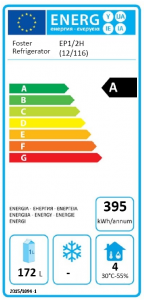
Foster Refrigerators – Leaders In Green
Foster Refrigerators, the UK's first refrigeration manufacturer to be awarded an energy-efficient ISO 14001 certification, continues to develop green technologies. They offer advanced efficiency with options like 24 months interest-free credit.
Customers now expect businesses to be environmentally aware, positively affecting relationships throughout the supply chain. The evolution of truly green commercial refrigeration has made significant progress, with advancements in processes and technology making a utopian market more attainable.
Consumer Choices Make A Difference
Consumers can make a difference by choosing refrigeration units with strong environmental credentials. This not only helps save the planet but can also reduce running costs.By focusing on efficiency and choosing eco-friendly options, the commercial refrigeration industry can help mitigate climate impact while benefiting businesses.
If you're interested in doing more, be sure to read up on the refrigerant used by your unit before you buy. Whatever you do, as you choose your new commercial fridge or freezer, be sure to check your choice's environmental credentials. You may just find that, as you strive to save the world, you simultaneously shave a few pounds off of the running costs of your kitchen. Saving the planet is, after all, good for business.
Why it Makes Sense for Every Commercial Kitchen to Go Green
Success is a main motivator for running a commercial kitchen. Therefore, every action and decision must make sense on different levels, including going green in regard to the equipment purchased and overall operational procedures.
Boosts Energy Efficiency
Commercial kitchens consume more energy per square foot than other establishments. Choosing green equipment increases efficiency, reduces energy usage, and cuts operation costs.
Cuts Down Costs
Going green includes reducing packaging, recycling, effective waste management, and using biodegradable materials. Seasonal menus and growing your own produce are cost-effective methods.
Eliminates Toxins
Green equipment uses less toxic substances, making kitchens safer. For example, eco-friendly refrigerants reduce health risks and avoid fines.
Increases Customer Loyalty
Customers appreciate environmentally friendly practices. Research shows that up to 70% of people believe going green protects the environment. Using green appliances and responsible business practices increases customer loyalty and avoids negative publicity.
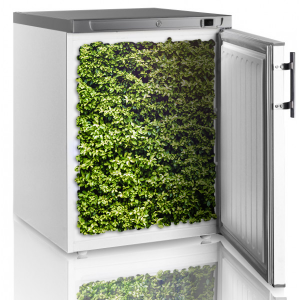
Good for the Environment
Optimising efficiency and reducing carbon footprints is vital. Observing the information provided through the MEPS scheme when making purchases, gives customers greater insight into efficiency.
Preserves Natural Resources
Employing water conservation measures and ensuring proper disposal of harmful waste helps preserve natural resources.
Reduces Toxin Production
Interacting with eco-friendly industries and using green manufacturing techniques reduce toxins released into the environment. For example, Foster uses UK-sourced components and green manufacturing techniques to reduce their carbon footprint.
Going green is a big but important decision. Start with basic actions and advance gradually. Helping the environment benefits both the business and the planet, creating a win-win situation.


Leave a Comment
Your email address will not be published. Required fields are marked *