
Share with:


When it comes to butchery and meat refrigeration, commercial fridges are essential for the proper storage of fresh meats. With the right temperature control and specific features to keep bacteria at bay, your meat products can avoid becoming unsafe to consume. Butchers, caterers, and restaurateurs need the best quality refrigeration units to keep their meat at a safe temperature and in top condition.
Here, we're looking at the basics of fresh meat refrigeration, so people in the trade know precisely what storage units are available for butchery needs.
What Is Meat Refrigeration?
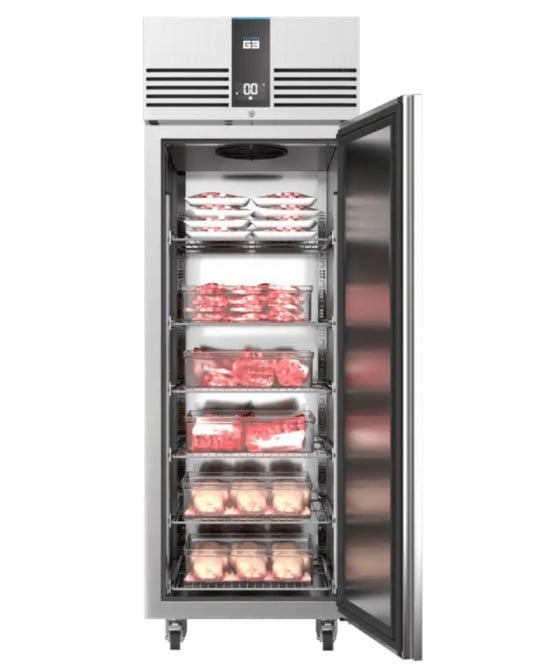
Businesses that use fresh meat need reliable butchery refrigeration to store their meat products safely and hygienically. Food businesses can choose from standard coldrooms set to store meat, or several different styles of meat fridges and butchers' fridges, including solid door storage fridge cabinets, fresh meat multidecks, and meat serve-over counters, all offering the perfect space for storing fresh meats.
- Solid Door Cabinets: Ideal for butchers who need a secure way to store their meat. These cabinets come with adjustable shelves and canare available with single and double door options.
- Meat Multidecks: Perfect for retail food businesses needing a range of butchery refrigeration units to store and display meat products. Multi-tier shelves hold optimum storage temperatures while allowing easy customer access.
- Serve Overs: Popular solutions for displaying fresh goods like sausages and bacon. Features include LED lighting, adjustable shelves, and removable doors.
- Butchery Cold Rooms: Suitable for storing large quantities of fresh meats in a temperature-controlled environment, allowing quick access while keeping the meat safely stored.
How Do Meat Fridges Differ From Other Commercial Refrigeration?
Although butchery refrigeration units are commercial fridges like any other, there are some critical differences in temperature control. Butchers' fridges are designed to keep meat at its freshest but must also keep it at a safe temperature. It's all in the temperature control. For example, raw meat should be stored between -2°C and +2°C, while cooked meats can typically be kept one degree higher. As butchers' fridges tend to be used for storing larger quantities of fresh meat, the temperature should generally be kept lower.
All large meat joints and carcasses should be unwrapped and hung so air can circulate around them at 1°C in a regular fridge and in a walk-in refrigerator for butchery at 3°C. Keeping meat cuts such as chops, steak, and minced meat between 2°C and 4°C in covered containers is ideal. Ample air circulation should be allowed to move throughout the unit to prevent the temperatures of raw meat from rising above the safe storage zone or more than 4°C.
How To Choose the Best Fresh Meat Refrigeration for Your Business
When it comes to commercial refrigeration, you need to choose a storage or display unit that fits your needs and budget. Consider the size and space available in your store or kitchen and any other features required, such as lighting or shelving. It's also vital to ensure the meat fridges you choose are up to standard and comply with health regulations. Look for a butchery refrigeration product that can provide the correct temperature-controlled storage unit for your fresh meat and advice and support on features and maintenance requirements. Where meat is being stored, we always advise opting for a fridge designed specifically for meat.
When it comes to butchery refrigeration, several options are available. Businesses need reliable refrigeration units to store their meat products safely and hygienically, from butcher's fridges and meat multidecks to commercial fridges for fresh meat storage. With our help, you can choose the best butchery refrigeration product for your business to ensure the freshest and safest meat products are available for customers.
Making the Most of Meat in a Commercial Setting
Proper handling and the right equipment are crucial for serving and displaying exquisite meats.
Safe handling of fresh meat prevents the spread of bacteria, preserves quality, inspires customer confidence, and prevents health hazards.
In a Commercial Kitchen
Refrigerate meat at temperatures below 2°C but no lower than -2°C to increase shelf life. It is important to use commercial fridges that are either designed specifically for these temperatures or that are capable of consistently holding this temperature range. Storage freezers are suitable for longer periods as they prevent contamination.
In a Shop or Supermarket
Fresh meat in open displays in shops and supermarkets is more exposed and prone to contamination than pre-packed produce. Use display freezers and chillers to keep meat safe and fresh. Display refrigeration may operate with a fractionally higher temperature range than kitchen storage refrigeration, so choose serve-overs and multi-decks built for the purpose.


Leave a Comment
Your email address will not be published. Required fields are marked *