
Share with:


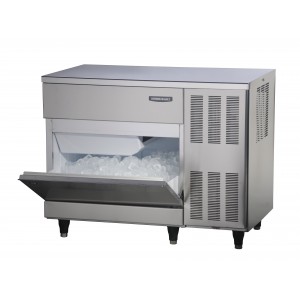
Commercial ice machines are an essential part of any food service business. Cleaning and maintainence is vital in ensuring ice remains crystal clear and hygienic. Here's our guide on how to look after your equipment.
How to Clean an Ice Machine
Manufacturers always include cleaning instructions and recommendations with every piece of equipment. Be sure to read all relevant literature to achieve the best results. If manuals are missing, get in touch with the supplier who should be able to provide what’s needed.
*Please Note: The following is intended as a guide only; manufacturers cleaning instructions will always supersede.
- Empty the machine and discard all ice.
- Run the cleaning cycle if the equipment has one.
- Turn off the ice machine.
- Remove all detachable components.
- Clean all surfaces, including bins, with ice machine sanitiser or hot water. Follow the instructions on the bottle for the permitted amount to water ratio. Never use chemicals that could contaminate ice.
- Rinse and dry are surfaces and components thoroughly.
- Clean the drainage system to prevent bacteria buildup.
- Sanitise components like scoops or run them through a commercial dishwasher for cleaning at hotter temperatures (commercial dish washers must complete a final rinse at a minimum of 82°C). While cold doesn’t kill bacteria, heat will.
- Clean the condenser air filter to remove dust or dirt build-up.
- Reassemble all components and switch on the machine to make fresh ice.
- Create a cleaning schedule and train staff in proper cleaning practices.
Regular servicing at least once a year is essential. Here are some top tips:
How Often Should Ice Machines Be Cleaned ?
 The frequency of cleaning depends on usage levels and water conditions. Manufacturer's recommendations should be treated as a minimum guide, with weekly cleaning being ideal. At the end of the night, when ice isn’t needed, is the best time for cleaning. Cleaning prevents the build-up of harmful slime and mould.
Never wait for signs like soft, malformed, or cloudy cubes, or distinct aromas, before cleaning. Stick to your ice machine cleaning schedule, remain proactive.
Recent reports by Ice-O-Matic reveal that 40% of operators are unaware of how often they should clean their ice machines. Despite maintaining other business areas to high hygiene standards, commercial ice makers often get overlooked. This is concerning, given historic media stories about food service giants facing scandals over bacteria-laden ice cubes.
Other Top Tips for Ice Machine Maintenance

- Ice Machine Maintenance: Neglecting ice machines can harm customer health. Regular cleaning ensures uniform ice production and prevents odours.
- Keep condenser coils clean: Dirty coils reduce efficiency and increase the risk of breakdowns.
- Replace water filters every six months: This enhances production efficiency.
- Professional maintenance: Hire qualified engineers for regular checks.
- Safety Tips: Connect to a fresh water supply, keep the machine clean, use a designated ice scoop, and keep the machine door closed.
Do I Need to Clean My Ice Maker ?

Can bacteria live in ice cubes ? Simply put, yes, there are plenty of possible nasties that can survive in ice, bacteria that can cause serious harm to humans. Common misconceptions are that ice is too cold to harbour germs, but that’s not the case; just because it’s cold doesn’t mean bacteria can’t survive. Unwelcome cases of cholera, salmonella, e-coli, norovirus plus many other illnesses could occur from ingesting dirty ice.
This impending presence of bacteria is why regular cleaning of ice machines is essential. Businesses may start out with good intentions but they can easily fall by the wayside with regards to cleaning and maintenance once things get busy or at the end of a long service.
It Isn’t Just Pubs and Restaurants
Although ice is commonly associated with pubs and restaurants, it’s not only these establishment that need to adhere to strict cleaning regimes with regards to ice machines. Any business that deals with some form of catering should take heed. Educational establishments, canteens, correctional facilities or other retail settings will often have an ice machine on the premises that requires the same level of attention. An investgation conducted by BBC Watchdog in 2017 found multiple ice samples from leading coffee chains tested positive for harmful bacteria, showing the importance in regurlarly cleaning industrial ice machines. Hospitals also place a high priority on the cleanliness of ice machines whether in the catering or medical setting. With patients often more susceptible to bacteria it’s vital to their well-being that effective measures are taken to ensure outstanding levels of cleanliness and hygiene are maintained in every aspect.
For more information, contact the FFD team today.


Leave a Comment
Your email address will not be published. Required fields are marked *